
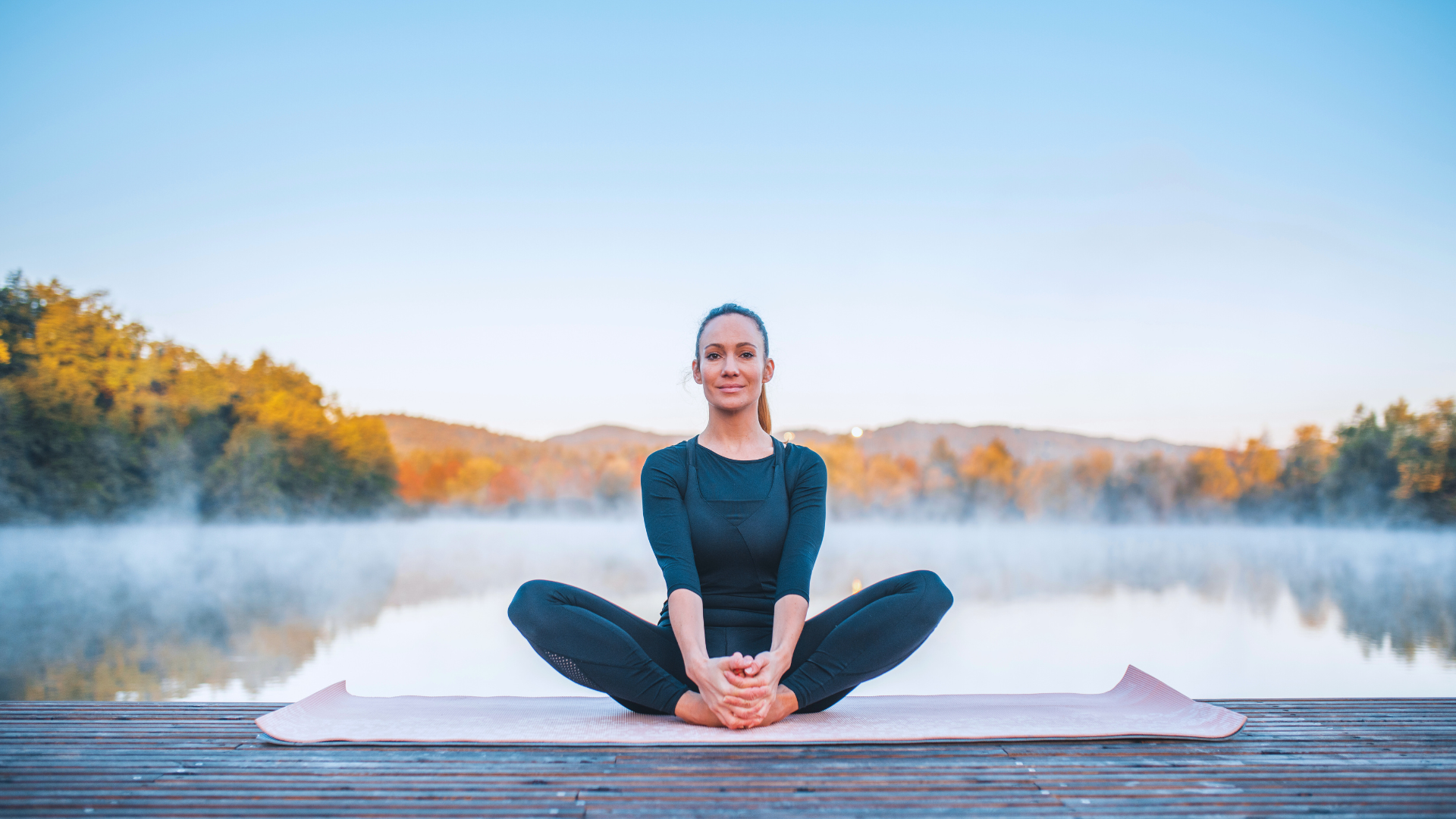
Yoga is a practice that offers numerous benefits for individuals of all abilities. By exploring various poses, individuals can enhance their health and well-being, regardless of their experience level or physical limitations. This guide highlights yoga poses tailored for different abilities, ensuring everyone can participate and gain from the practice.
Modified and accessible poses allow practitioners to build strength, flexibility, and balance in a way that suits their unique needs. Simple adjustments can make traditional poses achievable for those with limited mobility, while more experienced yogis can explore advanced variations to deepen their practice.
As individuals engage in these tailored yoga poses, they not only improve their physical fitness but also cultivate mindfulness and relaxation. This holistic approach enhances mental clarity and emotional stability, making yoga a valuable tool for overall well-being.
Understanding Yoga Poses for Different Abilities
Yoga practice embraces individuals of various abilities, emphasizing personalized approaches to asanas. This section explores how different levels of practice can be accommodated through effective adaptations and the use of props.
Levels of Yoga Practice
Yoga is accessible to everyone, regardless of ability. Styles such as Hatha, Vinyasa, and Restorative offer different experiences suitable for various proficiency levels.
Beginners might focus on foundational asanas, emphasizing body awareness and balance. Intermediate practitioners can explore deeper alignment and transitions, enhancing proprioception. Advanced students often tackle complex poses, integrating strength and flexibility. Each level provides unique challenges and benefits that cater to the student’s growth.
Importance of Adaptation
Adaptation in yoga is crucial for inclusivity. Different abilities necessitate tailored approaches to asanas to ensure safety and effectiveness. Adaptations might include simplifying poses or using alternate movements that achieve similar benefits.
By modifying poses, instructors can create a supportive environment. This allows practitioners to engage with the practice at their own pace. Effective adaptations foster confidence and encourage exploration of the body’s potential without causing strain or injury.
Role of Props and Modifications
Props play an essential role in making yoga accessible. Common props include blocks, straps, and bolsters. These tools enhance stability and alignment while assisting with challenging poses.
For instance, using a block in standing poses allows for modifications that cater to those with limited flexibility. Straps can help maintain integrity in bind adjustments, especially for students with shoulder mobility issues. By integrating props, students can deepen their practice, improve posture, and explore new asanas safely and effectively.
Modifications enable meaningful engagement, allowing all practitioners to experience the benefits of yoga, regardless of their starting point.
Essential Yoga Poses Adapted to Ability
Different yoga poses can be adjusted for various abilities, ensuring that everyone can participate. This section highlights foundational poses, balancing postures, and seated poses, providing options for individuals at different levels.
Foundational Poses and Their Variations
Foundational poses establish a base for yoga practice. Mountain Pose (Tadasana) is essential for posture alignment, offering a stable starting point. Modifications include standing with feet apart for better balance or using a wall for support.
Sun Salutation (Surya Namaskar) introduces a dynamic flow. For those with limited flexibility, using a chair or performing seated variations can enhance accessibility.
Padmasana (Lotus Pose) benefits hip flexibility. A modified version involves sitting cross-legged with support from a cushion or block. This allows individuals to develop flexibility gradually without strain.
Balancing Postures for Stability
Balancing poses improves strength and coordination. Tree Pose (Vrksasana) is an effective choice. Modifications can involve using a wall for support or resting a foot on the calf rather than the thigh, accommodating different abilities.
Eagle Pose (Garudasana) enhances focus and balance. Variations include holding onto a chair for support or performing the pose without a full wrap of the limbs. This adaptability allows individuals to find their level of difficulty while still experiencing the pose’s benefits.
Seated and Floor-Based Poses
Seated and floor poses are excellent for nurturing flexibility and grounding. Pigeon Pose (Eka Pada Rajakapotasana) can be intense for some, so modifications are key. Using props, such as bolsters, helps in easing into the stretch.
The seated Forward Bend (Paschimottanasana) offers a gentle stretch for the back and hamstrings. For those with limited reach, using a strap around the feet makes the pose more accessible, promoting relaxation and recovery.
B.K.S. Iyengar emphasized the importance of adjustments in yoga. Tailoring poses to individual capability increases participation and enjoyment in practice.
Integrating Techniques and Practices for All Levels
Yoga practices can be tailored for individuals at any skill level, ensuring that everyone reaps the benefits. Proper integration of breathing techniques, meditation, and routine building is essential for enhancing overall well-being.
Breathing Techniques and Pranayama
Breathing techniques, known as pranayama, play a pivotal role in yoga. These practices can improve focus and enhance physical performance.
- Diaphragmatic Breathing: Encourages deep breaths to maximize oxygen intake.
- Ujjayi Breath: A constricted throat technique that generates sound and regulates breath flow.
Individuals can incorporate these techniques at their comfort level. For beginners, simple deep breathing can foster relaxation. Advanced practitioners might explore various pranayama forms, gradually increasing duration and complexity.
Meditation and Relaxation
Meditation serves as a vital aspect of yoga that complements physical postures. It promotes relaxation and mental clarity.
- Guided Meditation: Ideal for beginners, using recordings to facilitate focus.
- Mindfulness Practices: Encourage the awareness of thoughts and sensations without judgment.
Allocating time for meditation within the routine enhances relaxation and serves to ground participants, making them more attuned to their practice. Regular engagement can lead to improved emotional well-being and stress reduction.
Building Concentration and Routine
Establishing a consistent yoga routine aids in developing concentration and commitment. A structured approach benefits practitioners of all levels.
- Set Clear Goals: Define personal objectives, whether improving flexibility, strength, or relaxation.
- Schedule Regular Practices: Designate specific times each week to engage in yoga.
Incorporating periods of focus, such as maintaining attention on the breath or specific poses, can enhance concentration. A consistent routine empowers individuals to track progress and make adjustments as needed.
Emerging Trends and Resources for Diverse Yogis
The landscape of yoga is evolving to embrace a wider array of practitioners, incorporating technology, inclusive design, and holistic wellness. These trends are aimed at creating a supportive environment for yogis of all abilities.
Technology and Online Platforms
Advancements in technology have transformed how diverse yogis engage with their practice. Online platforms like Yoga International and Alo Moves offer tailored classes for varying abilities, from beginner to advanced.
Mobile apps such as Down Dog allow users to customize their sessions based on ability, duration, and style. These platforms enhance accessibility, providing yogis the chance to practice at their own pace in a comfortable setting. Features like subtitles and audio descriptions also cater to those with hearing or visual impairments.
Inclusive Design and Accessibility
The emphasis on inclusive design has gained traction in yoga studios and spaces. Many facilities are now incorporating accessible props such as adaptive mats, blocks, and straps to ensure all participants can comfortably engage in poses.
Yoga studios have begun to invest in design upgrades that create welcoming and navigable spaces for individuals with mobility challenges. This includes wider doorways and sensory-friendly atmospheres. Similarly, teacher training programs increasingly emphasize techniques for instructing diverse groups, promoting a more inclusive approach across the fitness community.
Community, Food, and Wellness Integration
Many yoga communities are focusing on a holistic approach that integrates wellness and nutrition. Programs like Yoga and Nourishment combine yoga classes with discussions on healthy eating, emphasizing the connection between mind, body, and food.
These initiatives foster a sense of belonging, as they encourage participants to share their experiences and cultivate friendships. Additionally, workshops often highlight the importance of wellness beyond physical practice, incorporating elements of mindfulness and personal growth to enrich the yoga journey. This trend supports a comprehensive understanding of health that resonates with practitioners from diverse backgrounds.