
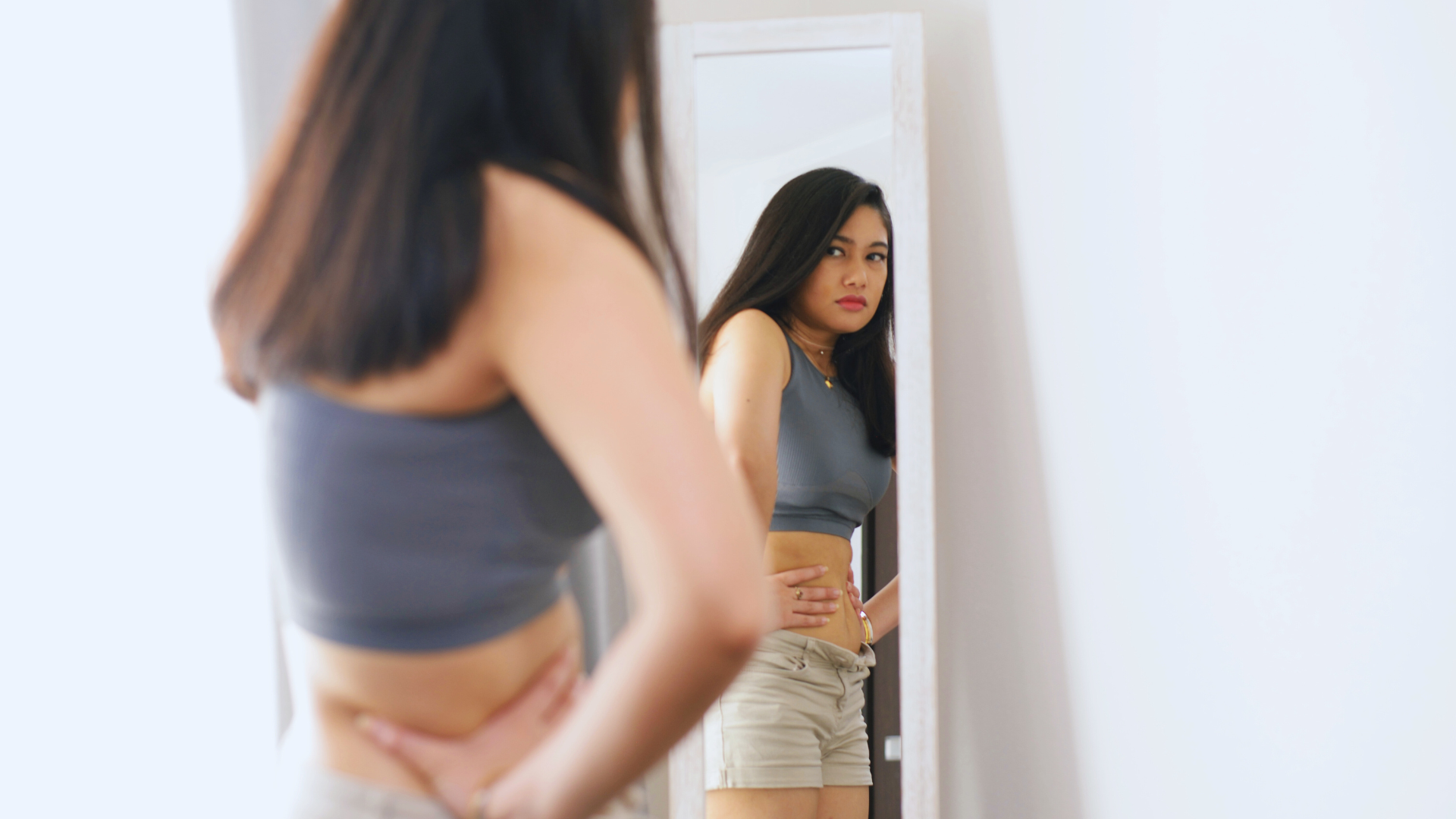
Navigating the complexities of body image can be challenging for many. Fitness often provides a practical avenue for individuals to reshape their perceptions and build confidence. Engaging in regular physical activity not only enhances physical appearance but also fosters a healthier mindset, allowing individuals to appreciate their bodies for their capabilities rather than their flaws.
As individuals commit to fitness routines, they may notice shifts in both their physical and mental well-being. Exercise can serve as a powerful tool for managing stress, improving mood, and cultivating a sense of accomplishment. These benefits contribute to a more positive self-image over time and can help combat negative thoughts associated with body image.
This journey extends beyond mere aesthetics; it emphasizes strength, endurance, and personal growth. Exploring different forms of exercise can empower individuals to find joy in movement and connect with their bodies in a more affirming way. By focusing on personal achievements in fitness, individuals can gradually redefine their relationship with their bodies, promoting self-acceptance and resilience.
Understanding Negative Body Image and Its Effects
Negative body image refers to a person’s dissatisfaction with their body size and appearance. It can lead to a range of mental and physical health issues, influenced by various triggers and causes. Recognizing the definitions and implications is essential for addressing the challenges that arise.
What Is Negative Body Image?
Negative body image is characterized by a distorted perception of one’s body. Individuals may see themselves as overweight or unattractive, even if they are of average size or healthy. This view often leads to harmful comparisons with others, influenced by societal standards portrayed in media.
Negative body image can stem from personal experiences, societal pressures, and cultural norms. It affects individuals across all ages and backgrounds and can initiate a cycle of low self-esteem and self-worth. People experiencing this may focus excessively on physical imperfections rather than recognizing their unique attributes.
Common Triggers and Causes
Several factors contribute to the development of negative body image. Social media is a powerful influencer, as images often depict unrealistic beauty standards. Individuals may compare themselves to these idealized representations, fostering feelings of inadequacy.
Other triggers include peer pressure, family dynamics, and cultural expectations. These elements can create a hostile environment for self-acceptance. Experiences of bullying and body shaming during formative years further exacerbate negative feelings towards one’s body.
Mental and Physical Health Implications
Poor body image can lead to various mental health issues, including anxiety and depression. Individuals may experience constant stress related to their appearance, fueling disordered eating behaviors. This dissatisfaction may manifest in severe conditions like anorexia, bulimia, or binge eating disorders.
Physically, negative body image can lead to unhealthy behaviors, such as yo-yo dieting or excessive exercise, which can harm overall well-being. It is essential for individuals to seek support and develop a healthier relationship with their body to improve both their mental and physical health.
Positive Approaches to Fitness for Body Image Recovery
Developing a positive body image involves nurturing self-acceptance while mindfully managing outside influences. Challenging negative self-talk, practicing daily affirmations, and setting healthy boundaries with social media can all play a powerful role in building self-esteem. For some, plastic surgery can also be a thoughtful, empowering step toward greater confidence. When pursued with care, and guided by trusted professionals like those at plasticsurgerysandiego.com, it can be a meaningful part of one’s journey toward self-assurance and well-being.
Building on this, certain cosmetic procedures focus on specific features that might cause significant self-consciousness. For instance, individuals concerned about the size, shape, or protrusion of their ears often find that a procedure like otoplasty can dramatically improve their self-perception. This type of surgery, which can involve ear pinning or reshaping cartilage, is performed by skilled surgeons to create a more balanced and harmonious facial appearance. For those considering this transformative step, seeking out an expert in otoplasty in Miami can provide the specialized care and personalized results needed to align their outer appearance with their inner sense of self. Such targeted interventions can be a powerful component of a holistic approach to body image recovery.
Shifting Mindset: From Weight Loss to Well-being
A crucial step in body image recovery is changing the focus from weight loss to overall well-being. This shift fosters a healthier relationship with physical activity. Emphasizing benefits like improved mood, increased energy, and enhanced physical health encourages a more positive mindset.
By valuing fitness as a means to enhance quality of life rather than a tool for aesthetic change, individuals can cultivate self-acceptance. This perspective promotes intrinsic motivation, leading to consistent engagement in physical activities that feel rewarding.
Choosing Enjoyable Forms of Movement
Selecting forms of movement that are enjoyable is key to maintaining motivation. Activities like dancing, hiking, or group classes can transform exercise from a chore into a source of joy. When individuals find pleasure in their routines, they are more likely to stick with them long-term.
Engaging in enjoyable movements boosts mental well-being, contributing to better self-esteem. The combination of fun and fitness allows for a more authentic connection to one’s physical self. This can significantly mitigate negative body image and promote body positivity.
Setting Realistic and Healthy Fitness Goals
Establishing realistic and healthy fitness goals is essential for fostering confidence and resilience. Goals should be specific, measurable, and achievable, focusing on improving personal performance rather than solely appearance.
For example, aiming to run a certain distance or increase strength in a particular exercise allows for tangible progress. Celebrating small milestones reinforces positive self-perception. This approach supports ongoing motivation and embraces the journey of improvement rather than fixating on outcomes.
The Role of Yoga and Mindful Exercise
Incorporating yoga and mindful exercise can significantly enhance body image recovery. These practices encourage self-awareness and acceptance, allowing individuals to connect with their bodies in a non-judgmental way.
Yoga promotes relaxation and reduces anxiety, fostering a sense of inner peace. Mindful exercises, such as tai chi or Pilates, emphasize body awareness, improving both physical health and mental clarity. As individuals cultivate a sense of acceptance through these practices, they often experience an increase in positive body image and overall well-being.
Nurturing Self-Love and Managing Influences
Developing a positive body image requires nurturing self-love and skillfully managing external influences. Addressing negative self-talk, practicing affirmations, and navigating social media can significantly enhance self-esteem and foster a healthier mindset.
Overcoming Negative Self-Talk and Perfectionism
Negative self-talk can undermine confidence and perpetuate dissatisfaction with one’s body. Recognizing patterns of critical thinking is the first step. When one notices self-critical thoughts, it is essential to challenge these ideas. For example, rather than thinking, “I’m not fit enough,” she might reframe it to, “I am working on becoming fitter.”
However, sometimes, one’s distorted perception can make it difficult for them to see their bodies objectively, often undermining self-confidence despite genuine progress. In such cases, professional guidance can help bridge the gap between how someone perceives themselves and their actual appearance, providing clarity and reassurance. For instance, consulting someone like a Houston plastic surgery expert (or elsewhere) can offer valuable insights and realistic comparisons, assisting individuals in setting achievable goals and feeling more comfortable in their own skin.
Perfectionism often feeds into negative self-talk, making it harder to appreciate personal progress. Setting realistic, achievable goals is key to building self-acceptance.
Practicing Positive Affirmations and Self-Compassion
Positive affirmations are powerful tools for fostering self-love. These simple, positive statements can reinforce a more compassionate self-image. For instance, saying, “I appreciate my body for its strength” can counteract negativity and encourage a more supportive inner dialogue.
Incorporating self-compassion is equally important. Treating oneself with the same kindness one would offer a friend can foster resilience. When she feels discouraged, reminding herself that imperfection is a shared human experience can lessen feelings of isolation and promote a healthier self-view.
Navigating Social Media and Beauty Standards
Social media often showcases idealized images that can skew perceptions of beauty. It is vital to recognize that many of these representations are curated or edited. Being critical of the content one consumes can help manage the impact of these standards.
Setting boundaries with social media use can promote a healthier mindset. Following accounts that celebrate diversity and authenticity can create a more positive digital environment. Engaging with uplifting content helps cultivate a sense of belonging and reinforces an appreciation for one’s unique qualities.
Building Support Systems and Sustaining Progress
A strong support system is crucial for anyone looking to overcome negative body image through fitness. It can significantly impact recovery and overall quality of life. Establishing connections with others can provide encouragement, practical help, and valuable feedback.
Finding Community and Professional Help
Joining fitness classes, online forums, or local clubs can help individuals connect with like-minded people. These communities often foster an environment that promotes positive body image and shared experiences.
Seeking professional help from therapists or nutritionists can also be beneficial. They can offer tailored guidance to address specific issues such as eating disorders or self-esteem. In some cases, individuals may also explore options like cosmetic body procedures White Plains NY (or a clinic near you), as a way to support body confidence alongside emotional and physical well-being. When approached thoughtfully, such procedures can complement internal growth by helping individuals feel more comfortable and aligned with their appearance. Combining community support with professional counseling can create a comprehensive approach to recovery, ensuring individuals feel less isolated in their journey.
Using Compliments and Support Effectively
Offering and receiving compliments can enhance motivation and reinforce positive changes. Recognizing achievements, no matter how small, builds confidence. Friends and family should be encouraged to focus on attributes beyond physical appearance.
Practicing gratitude as part of the support system can also elevate one’s outlook on fitness and body image. Encouraging group activities that celebrate personal growth can help solidify these positive interactions. Support should be genuine, focusing on effort and progress rather than solely results.
Maintaining Motivation and Quality of Life
Setting realistic goals is essential for maintaining motivation. Instead of aiming for a specific body type, individuals can focus on personal fitness milestones, such as endurance or strength levels. Celebrating these achievements fosters a positive relationship with fitness.
Incorporating fitness into daily routines helps create sustainable habits rather than temporary fixes. Activities like hiking, dancing, or cycling can boost physical and mental well-being. Nurturing a balanced lifestyle that includes social interactions, hobbies, and self-care can significantly improve overall quality of life, further supporting a healthier body image.